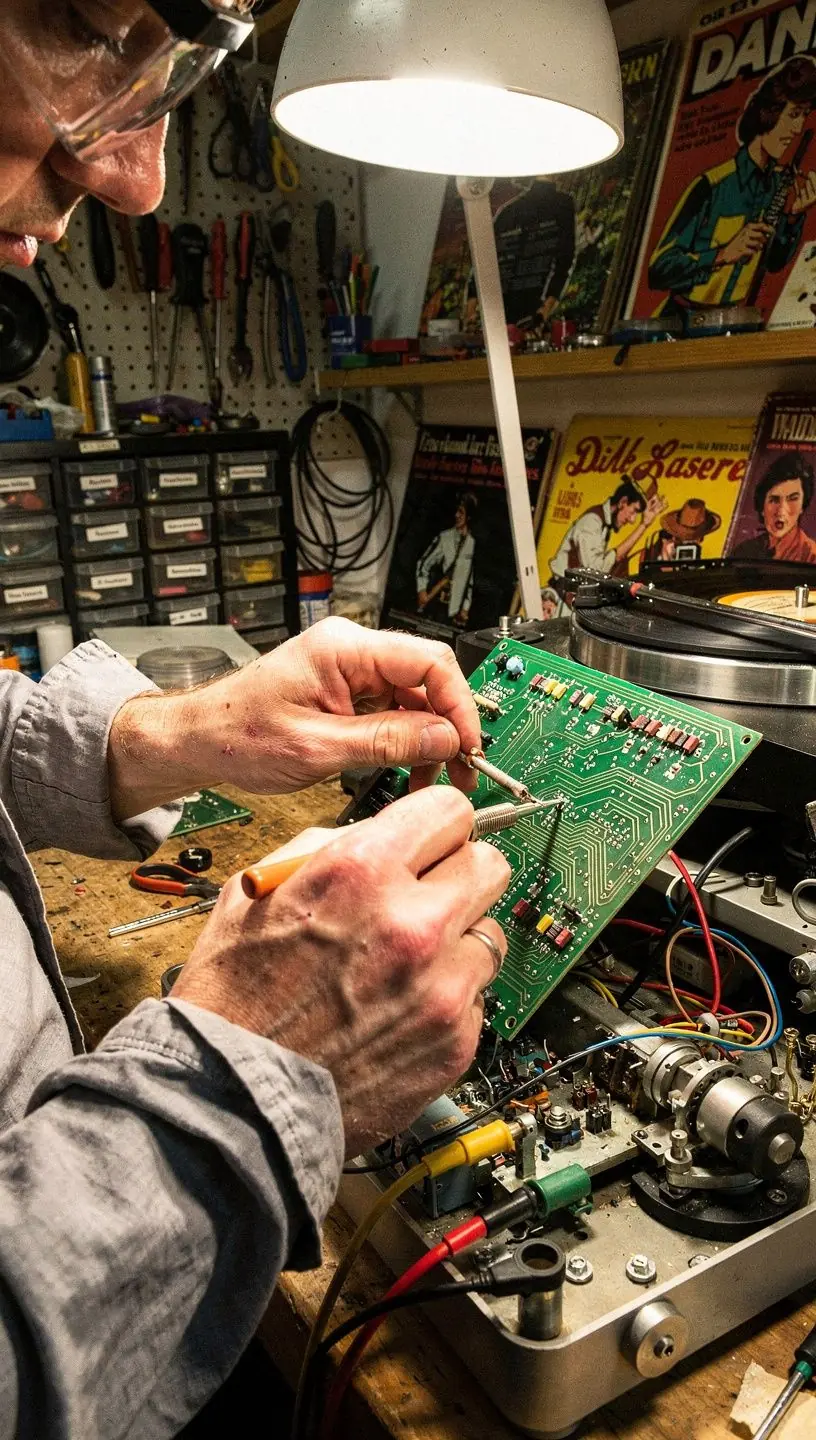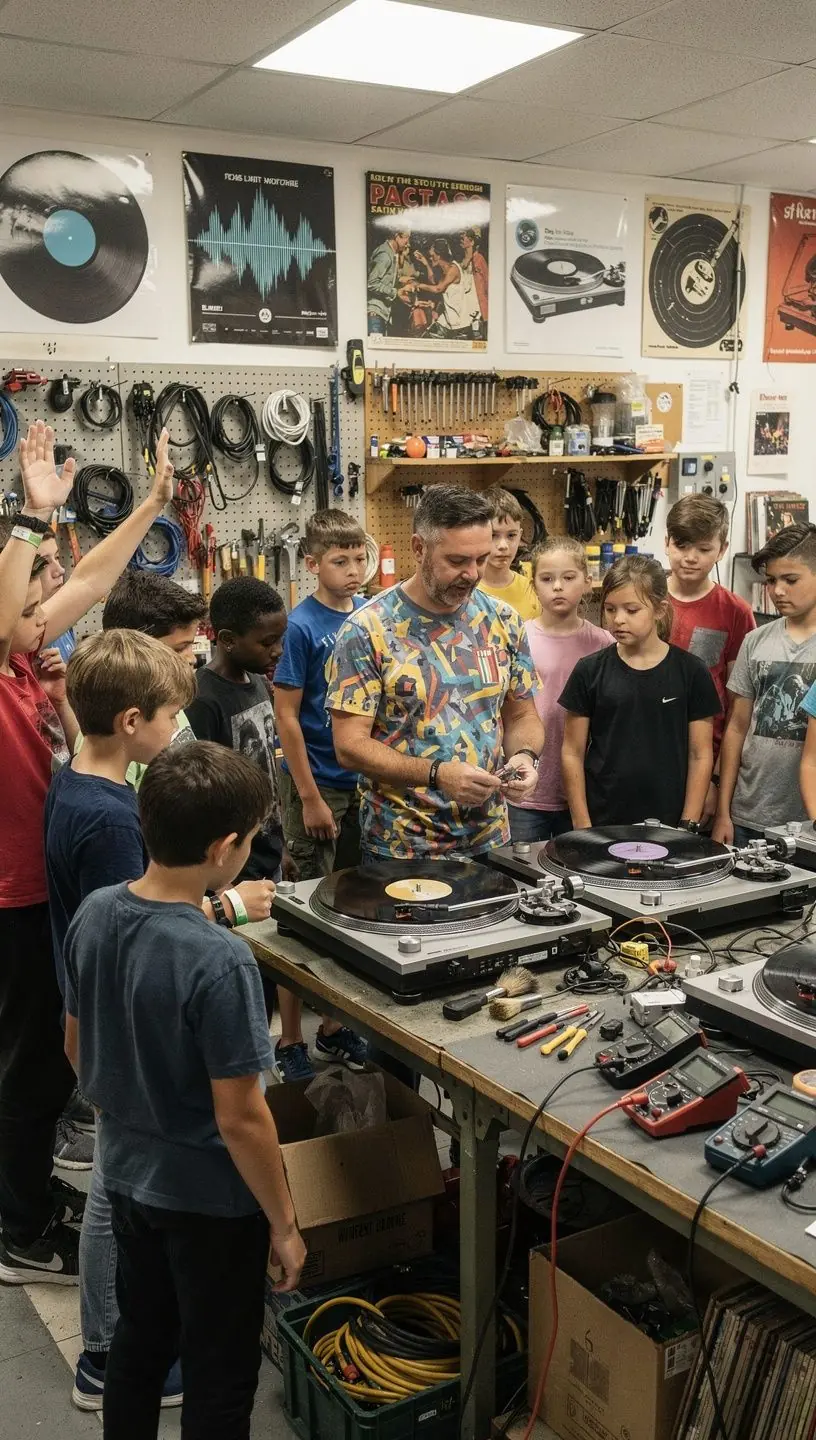
Step-by-Step Process for Turntable Restoration
Restoring a vinyl turntable can breathe new life into your cherished audio equipment. This guide outlines the typical processes involved in turntable restoration, helping you understand what to expect when seeking professional services.
Understanding the Basics of Turntable Restoration
Turntable restoration typically involves a series of diagnostic, repair, and calibration processes designed to restore the functionality and sound quality of the device. According to industry experts, many turntables can benefit from professional restoration, particularly if they are vintage or have been in storage for extended periods.

"Proper maintenance and restoration can significantly enhance the lifespan and performance of your turntable." - Audio Restoration Expert
The Step-by-Step Restoration Process
The following steps outline the typical process of turntable restoration:
- Initial Assessment: A technician conducts a thorough examination of the turntable to diagnose any visible issues, such as worn belts, damaged cartridges, or misaligned tonearms. This assessment typically takes 30-60 minutes.
- Cleaning: Dust and debris can accumulate in hard-to-reach areas. The restoration process often includes deep cleaning of the platter, tonearm, and other components using specialized solutions and tools. This step is crucial as grime can affect sound quality.
- Replacing Worn Parts: Research indicates that many turntables benefit from replacing worn-out components, such as belts and cartridges. Technicians will typically replace these parts with high-quality alternatives that can improve performance.
- Calibration: Proper calibration ensures that the turntable operates at optimal speed and tracking force. This step is essential as it can prevent vinyl wear and distortion during playback.
- Final Testing: Once all repairs are complete, the turntable undergoes a series of tests to assess sound quality and functionality. Adjustments may be made based on these evaluations.
Time Commitment and Effort Required
Restoration projects can vary in duration, typically taking between 1-4 weeks, depending on the extent of repairs needed. Many users report that the effort put into restoring a turntable is worthwhile, as the end result can significantly enhance their listening experience.
It is important to note that while some individuals may choose to attempt DIY restoration, it often requires a solid understanding of audio equipment and techniques. Experts recommend seeking professional help for intricate issues or if you're unsure about the process.
Conclusion
Understanding the restoration process can help you make informed decisions regarding your turntable. By engaging with professionals who adhere to industry standards, you can expect improved performance and longevity from your audio equipment. Remember, restoration is an investment in your listening experience and should be approached with care and consideration.
Learn More