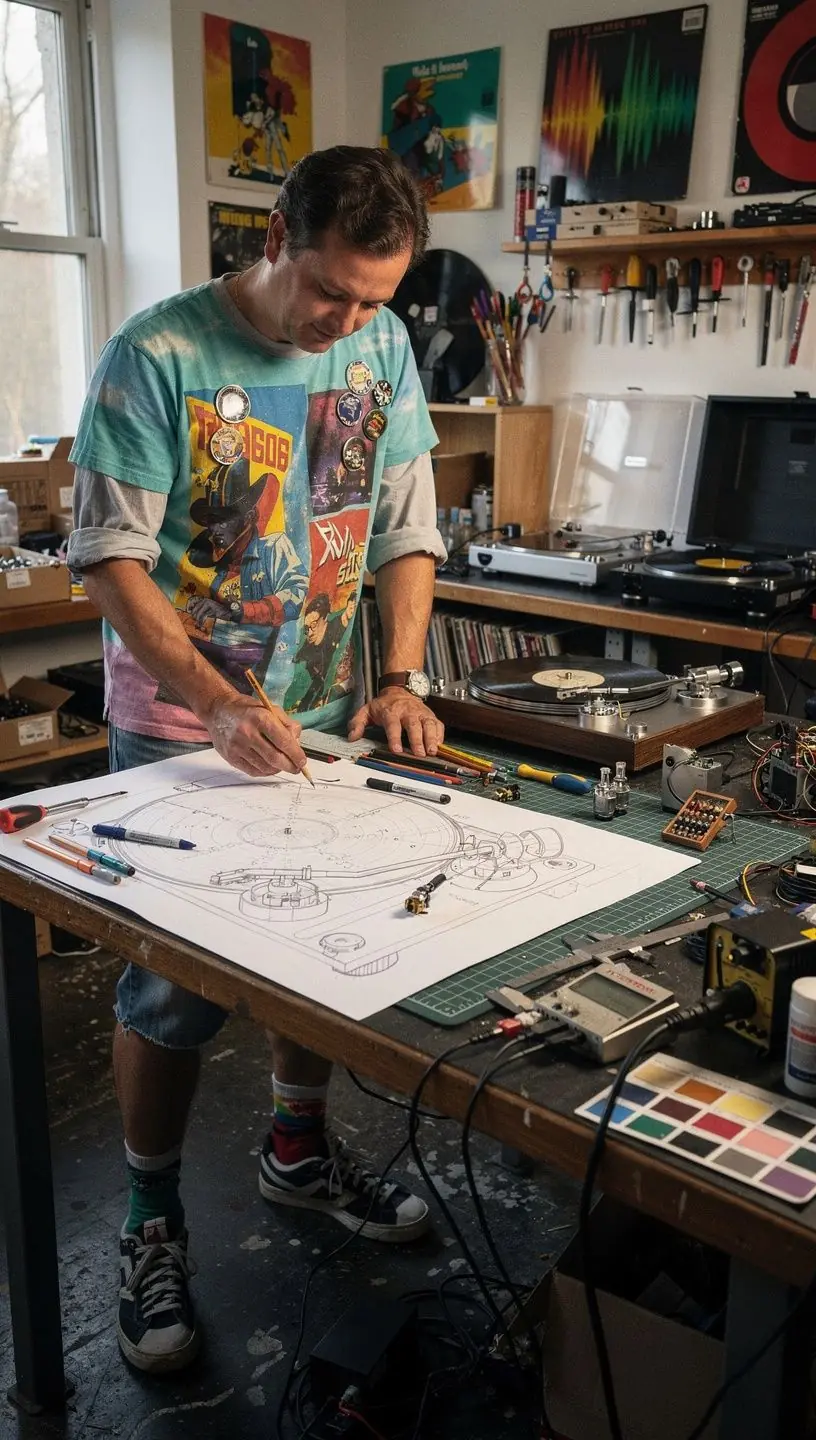
Understanding the Role of Tonearms in Sound Quality
When it comes to vinyl turntables, the tonearm plays a crucial role in determining sound quality. This article explores the functionalities of tonearms and their impact on the audio experience, backed by industry standards and expert insights.
Understanding the Basics
The tonearm is a pivotal component of a turntable, connecting the cartridge (which houses the stylus) to the platter. Its primary function is to hold the cartridge securely while allowing it to track the grooves of the vinyl record. According to industry experts, the design and functionality of the tonearm can significantly affect the overall sound quality produced by the turntable.
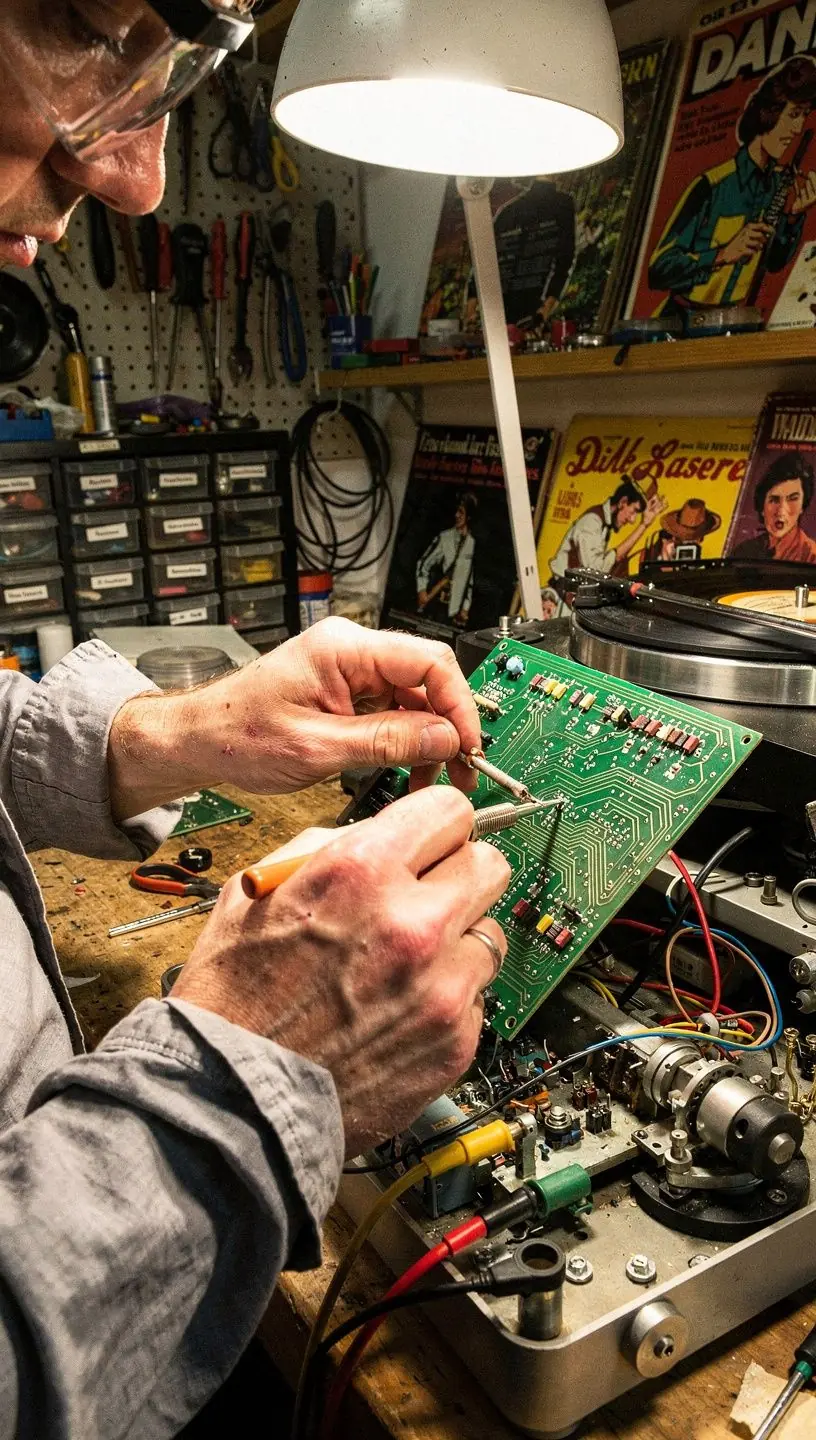
"The quality of the tonearm can influence the fidelity of sound reproduction, making it a fundamental element in vinyl playback." - Audio Engineering Society
Key Factors Affecting Sound Quality
Several factors contribute to how effectively a tonearm can track a record and, consequently, influence sound quality:
- Length and Design: Typically, longer tonearms can achieve better tracking at the record's outer grooves, reducing distortion. However, they may require more careful setup.
- Weight and Balance: The tonearm must be properly balanced to avoid excessive wear on records and the stylus. Many users report improvements in sound clarity when optimal weight settings are achieved.
- Material: Tonearms made from different materials exhibit unique characteristics. For instance, aluminum is often preferred for its balance of rigidity and weight, which can enhance sound reproduction.
Calibration and Maintenance Considerations
To maximize the performance of a tonearm, regular calibration and maintenance are essential. This typically involves adjusting the tracking force, anti-skate settings, and alignment of the cartridge. Research indicates that proper calibration can improve audio fidelity and extend the lifespan of both records and cartridges.
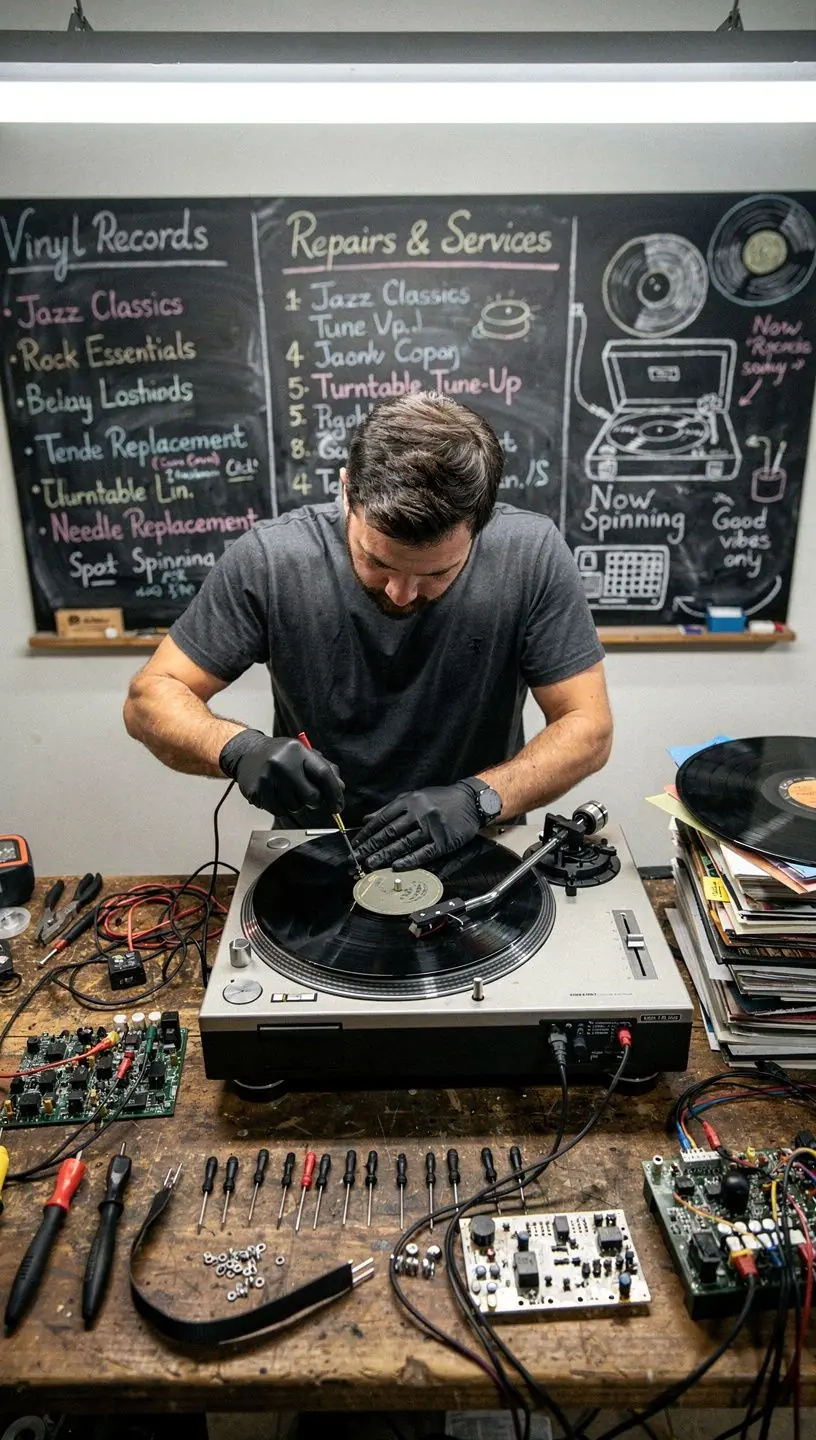
In most cases, users may not have the expertise to perform these adjustments, which is where professional services come into play. Our vinyl turntable repair workshop offers diagnostic services that include:
- Assessment of tonearm alignment and tracking force.
- Restoration of worn or damaged components.
- Calibration to enhance audio performance.
Conclusion
Understanding the role of tonearms in sound quality is essential for any vinyl enthusiast. By recognizing how various factors influence performance and being aware of the benefits of professional calibration and maintenance, users can significantly enhance their listening experience. While achieving optimal sound quality requires attention to detail and sometimes professional guidance, the rewards of rich, warm vinyl sound are often well worth the effort.