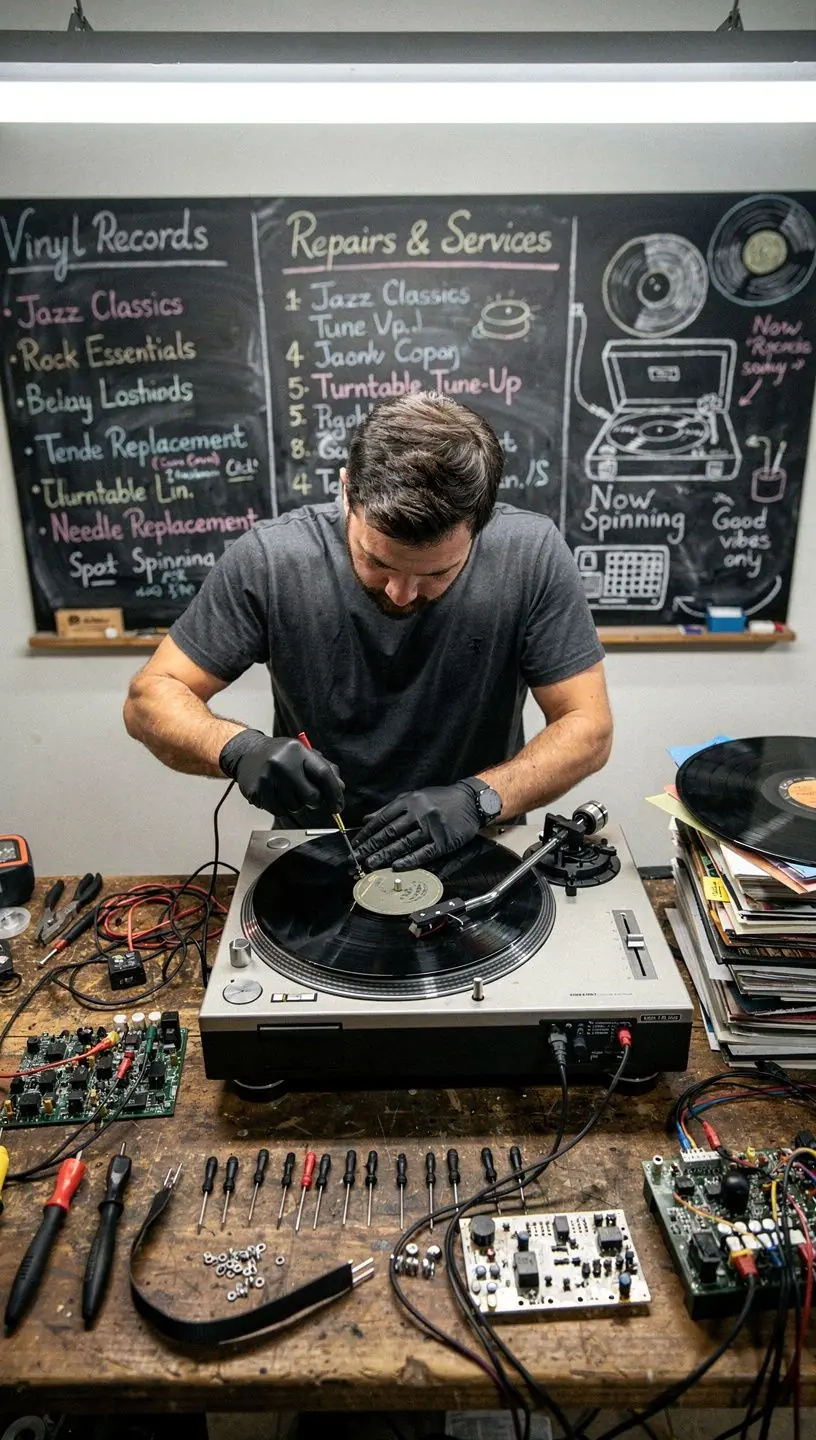
Essential Tools for Turntable Repair
If you're passionate about vinyl and want to ensure your turntable performs optimally, understanding the essential tools for turntable repair is crucial. This guide will provide insights into the tools needed for diagnostics, restoration, and calibration, helping you maintain the quality of your audio experience.
Understanding the Basics
Turntable repair requires not only a basic understanding of how turntables function but also the right set of tools. According to industry experts, having the appropriate tools can significantly enhance the repair process. Tools such as screwdrivers, multimeters, and alignment protractors are vital in diagnosing and repairing common issues.
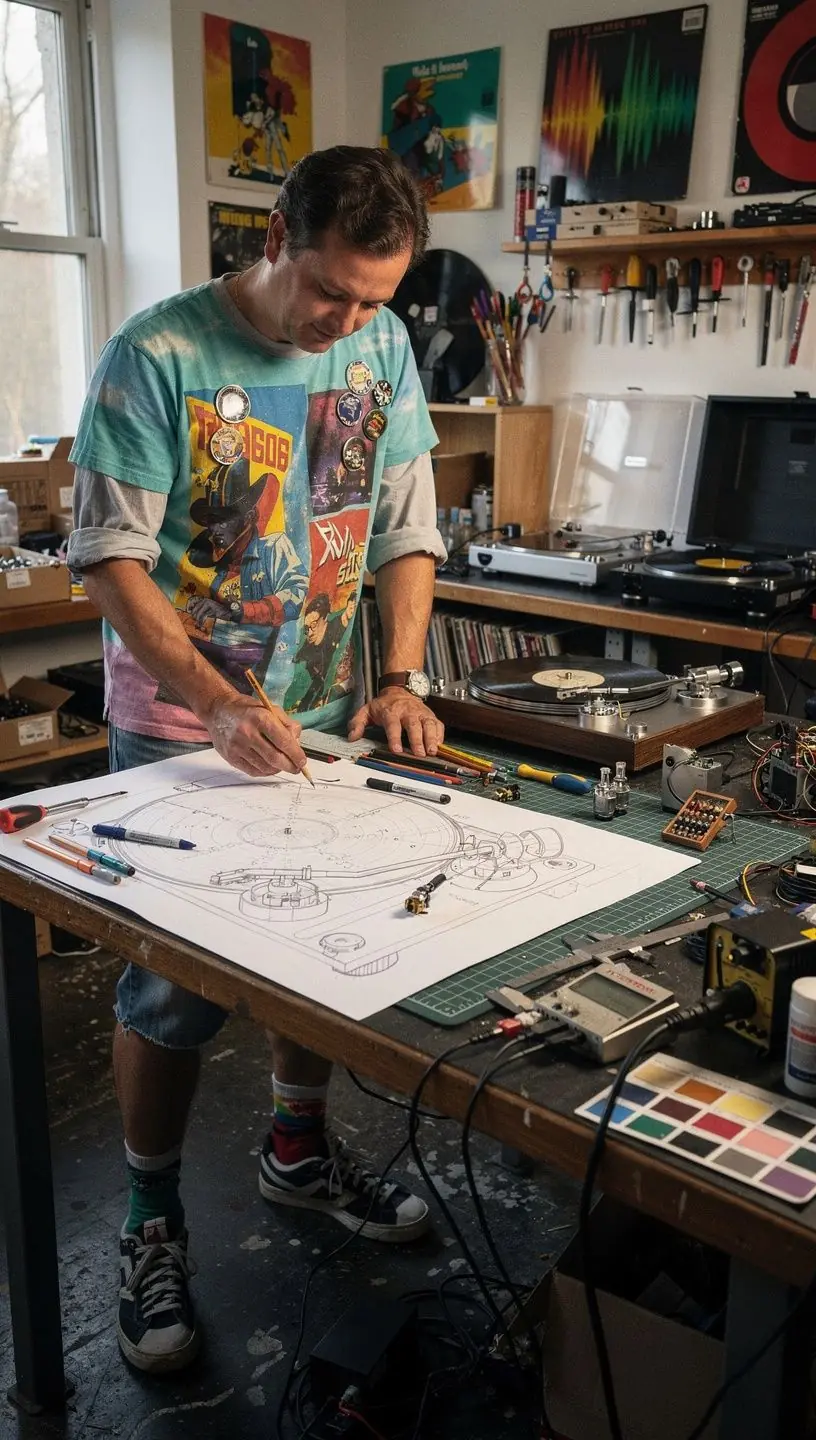
"Having the right tools can make the difference between a successful repair and a frustrating experience." - Audio Repair Specialist
Essential Tools for Turntable Repair
When embarking on a turntable repair project, you'll want to ensure you have the following tools at hand:
- Screwdrivers: A set of precision screwdrivers is essential for opening up the turntable and adjusting components. Typically, a Phillips and a flathead screwdriver will suffice for most models.
- Multimeter: This tool is critical for diagnosing electrical issues. Research indicates that many users report improved accuracy in diagnosing problems when using a multimeter to test continuity and voltage.
- Alignment Protractor: Proper alignment of the cartridge is crucial for sound quality. Experts recommend using a protractor to ensure that your cartridge is aligned correctly, which helps in achieving optimal sound performance.
- Cleaning Supplies: Dust and grime can significantly impact playback quality. Regular cleaning with appropriate supplies like microfiber cloths and cleaning solutions can prolong the life of your turntable.
- Lubricants: Many users find that using suitable lubricants on moving parts can reduce friction and improve performance. However, it's important to use lubricants compatible with your turntable model.
Process and Methodology
To effectively use these tools, follow a systematic approach:
- Diagnostics: Start with a visual inspection of the turntable. Use the multimeter to diagnose any electrical issues.
- Disassembly: Carefully open the turntable using screwdrivers. Keep track of all screws and parts to ensure a smooth reassembly.
- Cleaning: Clean all accessible parts to remove any dust or debris. This step can significantly improve overall performance.
- Adjustment: Use the alignment protractor to adjust the cartridge. This process typically requires patience and precision, as it can greatly affect audio quality.
- Reassembly and Testing: Once adjustments are made, reassemble the turntable carefully and test it with a record. Listen for any irregularities in sound.
Acknowledging Limitations
It’s important to recognize that turntable repair can be a time-consuming process, often taking several hours to complete, depending on the issues present. Additionally, there is a learning curve involved; many users find that their first repair requires more time and effort than subsequent ones. If you’re not familiar with turntable mechanics, it may be beneficial to consult with or watch experienced technicians.
Conclusion
In summary, having the right tools for turntable repair can greatly enhance your ability to diagnose, restore, and calibrate your equipment effectively. While the process may seem daunting initially, with practice and the right resources, you can maintain your turntable's performance and enjoy high-quality sound from your vinyl collection. Remember, while the tools are essential, the knowledge and skills you develop over time will truly make a difference in your audio experience.
Learn More