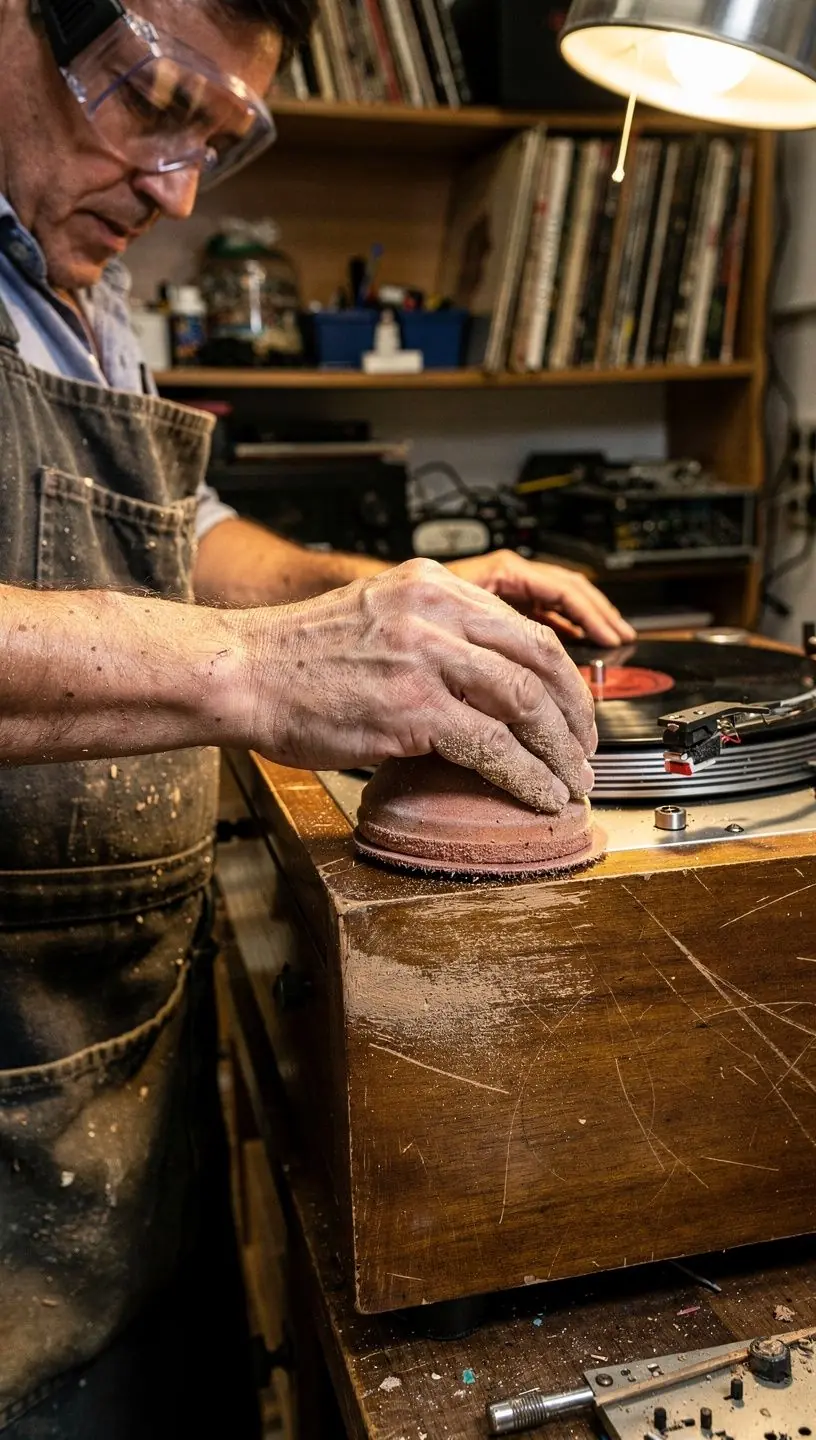
Understanding Turntable Belt Replacement
Maintaining your vinyl turntable is essential for optimal performance and sound quality. One vital aspect of this maintenance is the timely replacement of the turntable belt. In this article, we will explore how and why belt replacement is necessary, providing practical insights into the process.
Understanding the Basics
The turntable belt is a crucial component that connects the motor and the platter, allowing for the smooth rotation of your vinyl records. Over time, these belts can wear down or stretch, leading to issues such as unstable speed and reduced audio quality. According to experts in the field, regularly inspecting and replacing the belt can significantly enhance your listening experience.

"A properly functioning belt ensures consistent speed and fidelity in playback, which is essential for enjoying your vinyl collection." - Industry Expert
Signs Your Turntable Belt May Need Replacement
- Speed Fluctuations: If you notice that records play at inconsistent speeds, this may indicate a worn belt.
- Visible Wear: Look for cracks, stretching, or other wear signs on the belt. Many users report that a visual inspection can often reveal if replacement is needed.
- Noise: Increased noise during playback can suggest that the belt is struggling to maintain its grip on the platter.
Steps for Replacing the Turntable Belt
Replacing the belt typically involves the following steps:
- Power Off: Always ensure your turntable is unplugged before attempting any maintenance.
- Remove the Platter: Carefully lift off the platter. This may require gently wiggling it to dislodge.
- Inspect the Old Belt: Take note of how the old belt is positioned. This will help you correctly place the new belt.
- Install the New Belt: Place the new belt around the motor pulley and the platter, following the same route as the old belt.
- Reassemble: Once the new belt is securely in place, reattach the platter and plug in the turntable.
When to Seek Professional Help
While replacing the belt can often be a straightforward task, some users may face challenges. If you encounter difficulty or if the turntable exhibits other issues such as motor failure, it might be prudent to consult a professional. Experts suggest that this can save time and prevent further damage to your equipment.
Conclusion
Understanding how to replace your turntable belt is a valuable skill that can enhance your vinyl listening experience. While the process is generally straightforward, it’s essential to recognize that each turntable may have unique requirements. By maintaining your turntable and replacing worn belts as needed, you can enjoy the rich sound quality that vinyl records offer. Remember, regular maintenance is key to preserving your equipment's longevity and performance.