Common Misconceptions About Vinyl Turntables
Vinyl turntables have experienced a resurgence in popularity, yet many misconceptions persist about their functionality and maintenance. In this article, we will explore some of these misconceptions, providing clarity based on expert insights and industry standards.
Understanding the Basics of Vinyl Turntables
Vinyl turntables operate on the principle of converting the mechanical energy of a needle tracing the grooves of a vinyl record into an electrical signal that can be amplified into sound. This process is typically reliable, but many users report confusion regarding upkeep and performance.
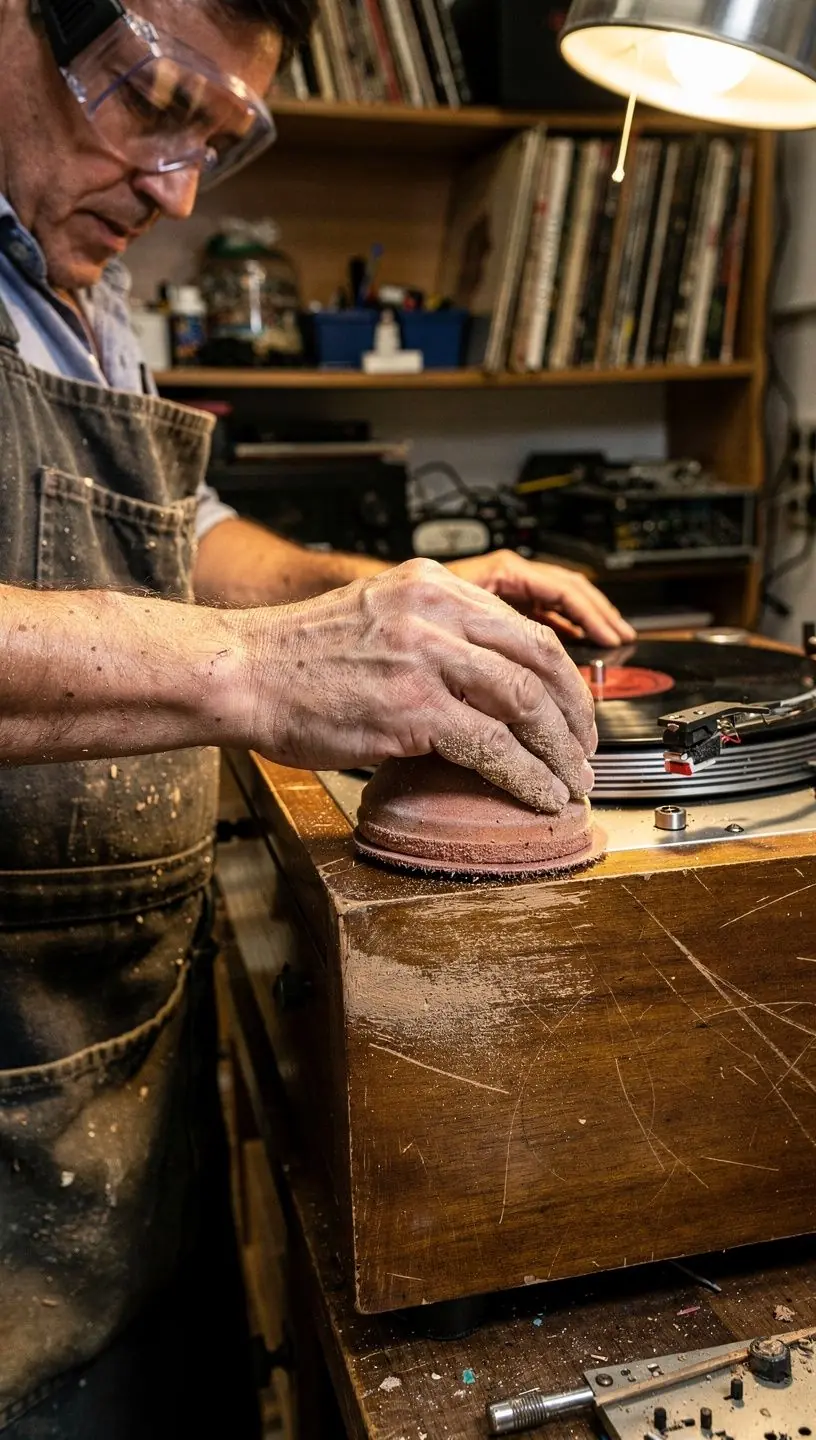
"Many enthusiasts underestimate the impact of proper maintenance on their turntables' performance." - Industry Expert
Misconception #1: All Turntables Are the Same
One of the most common misconceptions is that all turntables provide a similar listening experience. In reality, turntable quality varies significantly based on components like the tonearm, cartridge, and platter. According to research by audio engineers, higher-quality components can greatly enhance sound fidelity and minimize distortion.
Misconception #2: Vinyl Records Are Always Prone to Damage
Many people believe that vinyl records are inherently fragile and easily damaged. While it's true that records can be scratched or warped, with proper care—such as using a microfiber cloth for cleaning and storing records vertically—vinyl can last for decades. In fact, studies suggest that well-maintained vinyl can outperform digital formats in terms of sound quality, especially in warmer tones.
Misconception #3: Calibration Is Not Necessary
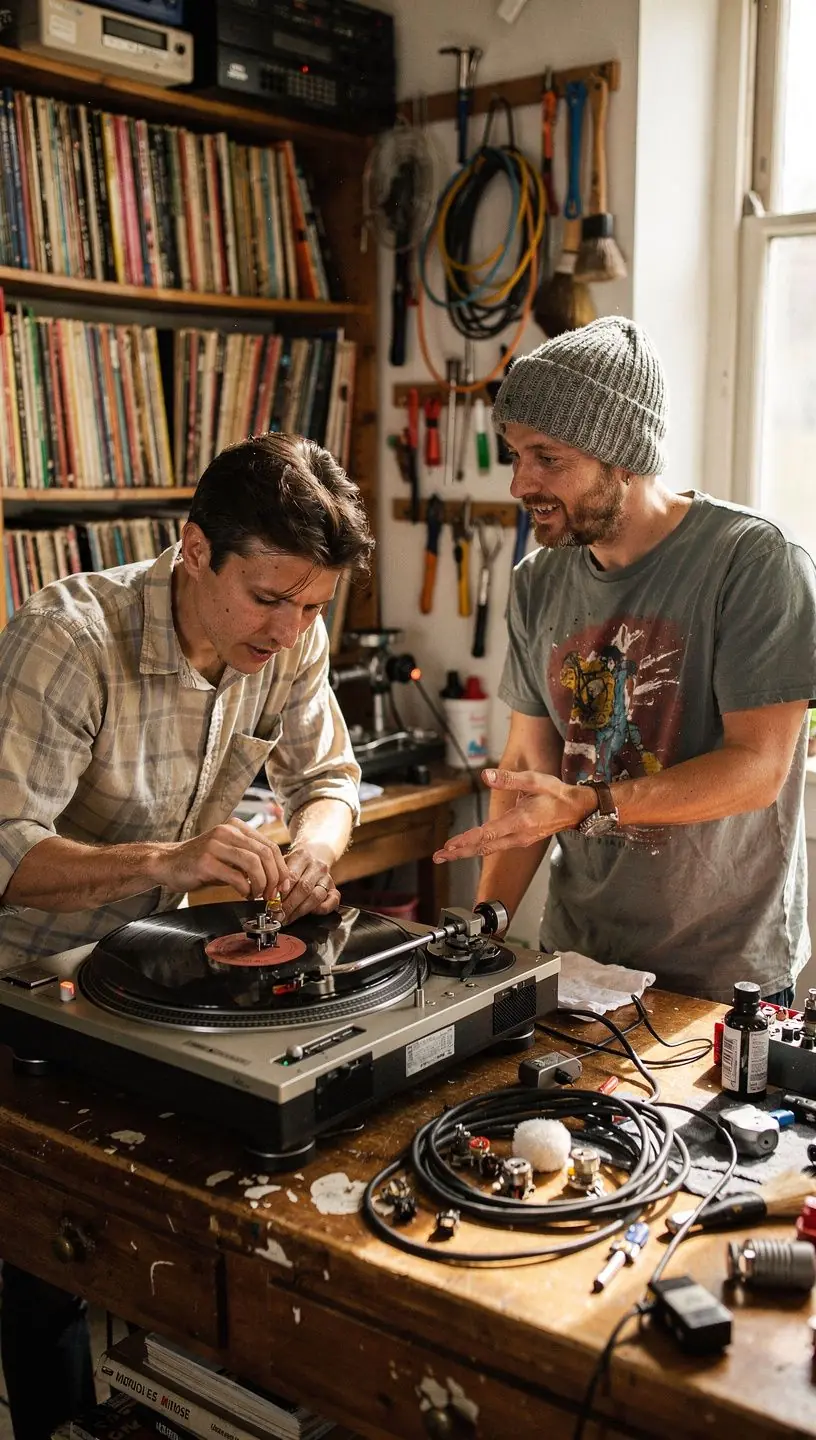
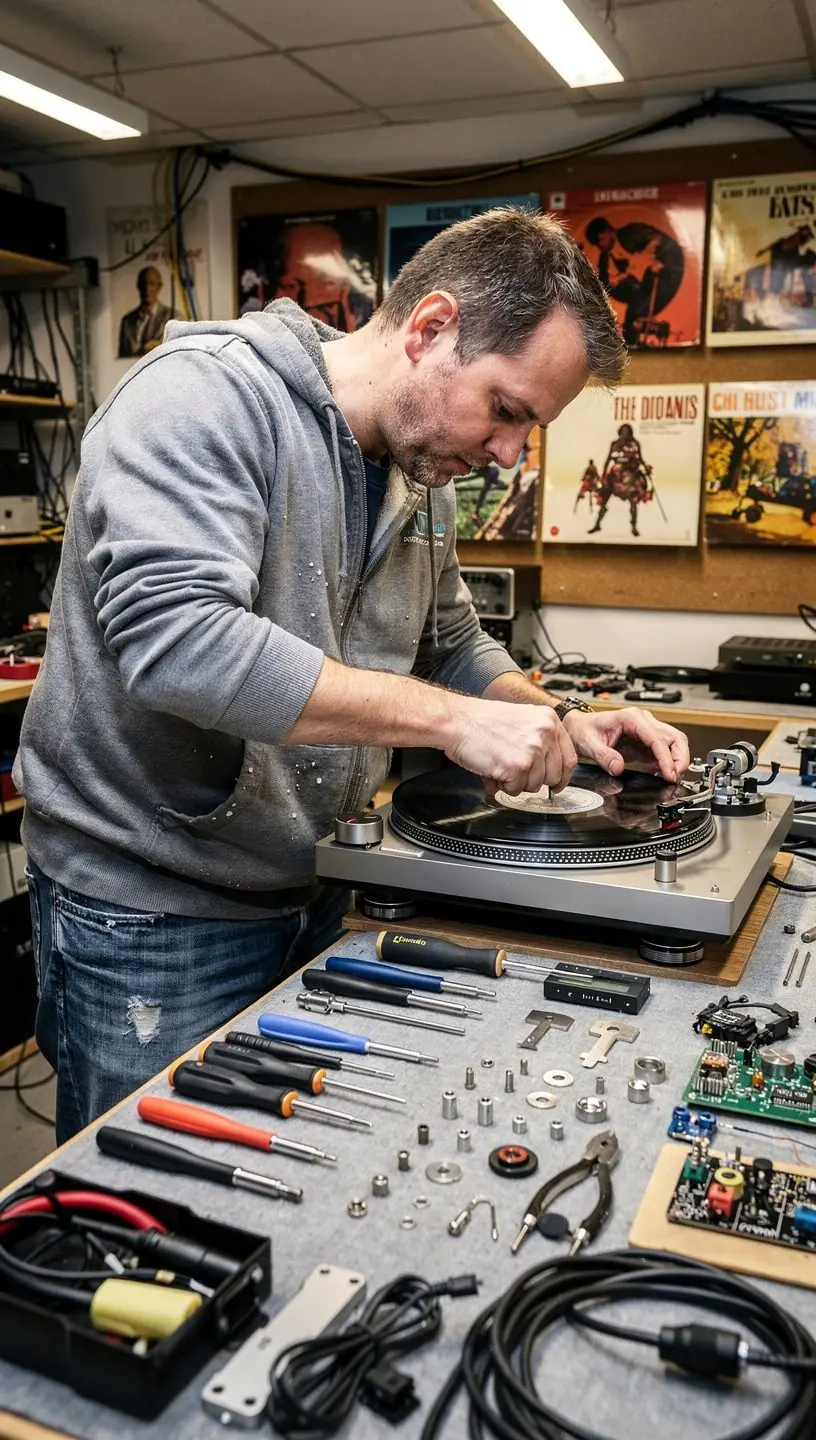
Some users think that once a turntable is set up, it requires no further adjustment. However, calibration is a critical step in ensuring optimal playback quality. This includes aligning the cartridge and adjusting tracking force, which can often be overlooked. Experts recommend recalibrating your turntable regularly or whenever you change cartridges to maintain sound quality.
Misconception #4: You Don’t Need Special Equipment
Another misconception is that you can use any stereo equipment with a turntable. While many modern speakers can work, having a dedicated phono preamp can significantly improve sound quality. Additionally, many users find that investing in a decent set of headphones or speakers can enhance their vinyl listening experience. Industry standards suggest that investing in quality equipment can yield a more satisfying listening experience.
How to Properly Maintain Your Turntable
- Regular Cleaning: Use a brush or cleaning solution specifically designed for vinyl records to remove dust and debris.
- Proper Storage: Store records vertically and in a temperature-controlled environment to minimize warping.
- Calibration Checks: Perform calibration and alignment checks periodically to ensure high sound quality.
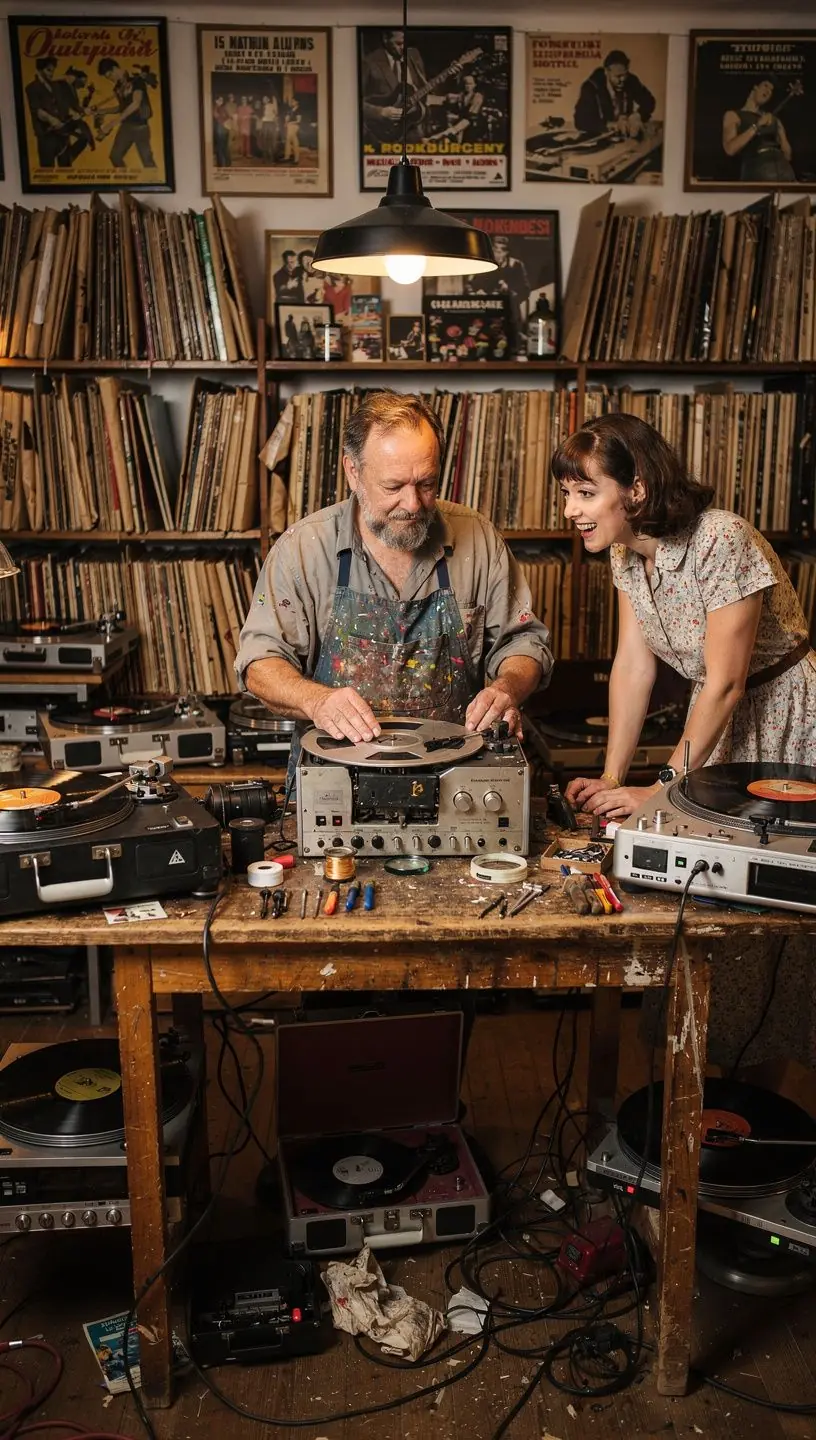
- Professional Servicing: Consider professional diagnostics and restoration services if you notice performance issues.
Conclusion
Understanding the misconceptions surrounding vinyl turntables can lead to a more rewarding experience for both new and seasoned users. By focusing on proper maintenance, calibration, and investing in quality components, enthusiasts can truly appreciate the rich sound that vinyl has to offer. For those who seek further assistance, our vinyl turntable repair workshop at xvlora.org provides diagnostics, restoration, and calibration services to help you get the most out of your turntable.
Learn More