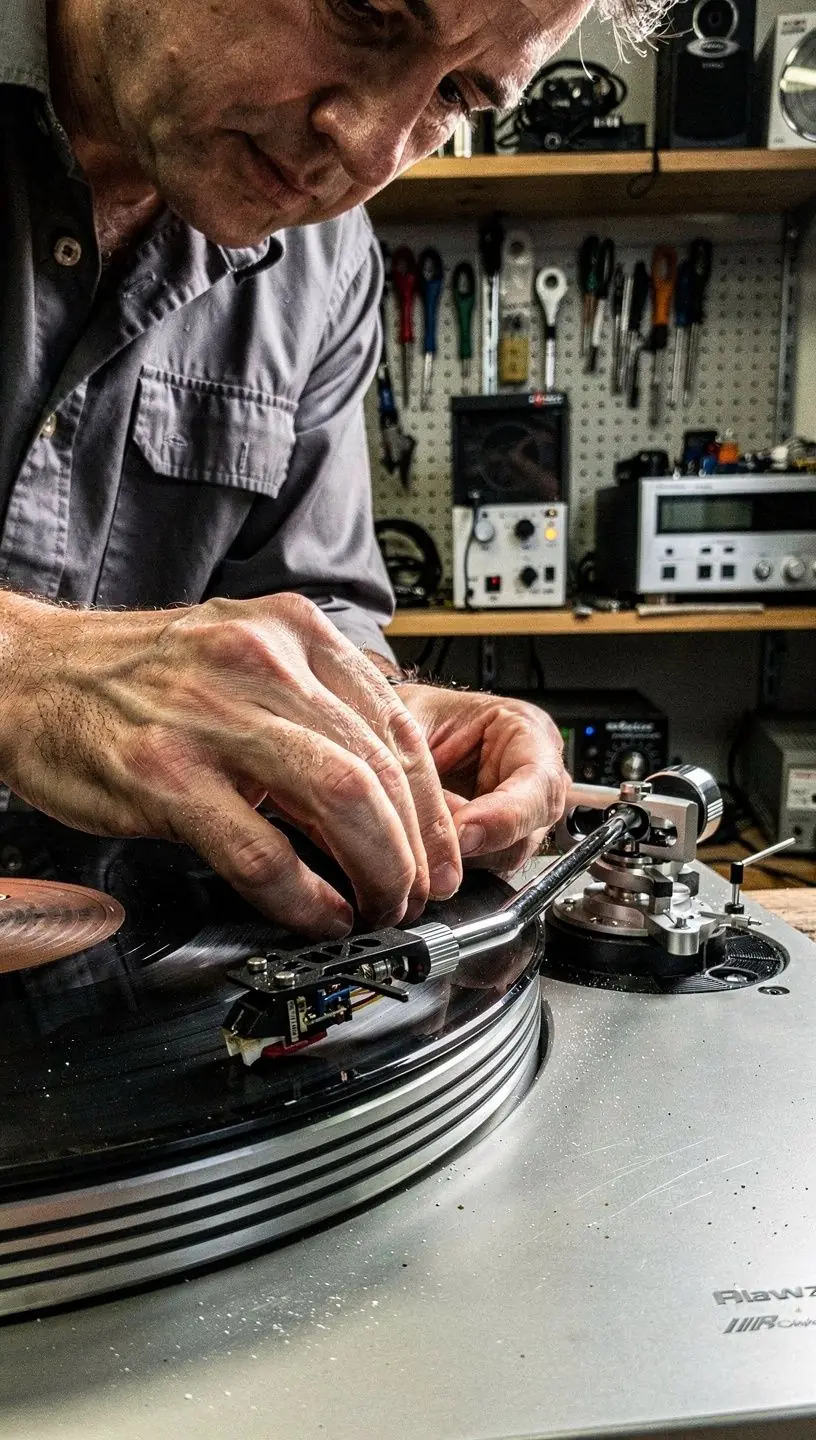
How to Diagnose Common Turntable Problems
Vinyl turntables are cherished devices for music lovers, but they can sometimes encounter issues that disrupt their performance. This article aims to provide a comprehensive guide on diagnosing common turntable problems, helping you understand the underlying causes and potential solutions.
Understanding Common Turntable Issues
Turntables can experience a range of problems, often related to mechanical components, electrical connections, or environmental factors. According to industry experts, the following issues are frequently reported by users:

- Distorted Sound: Many users report hearing muddled or distorted audio, often caused by a misaligned cartridge or worn-out stylus.
- Skipping Records: Skipping can be attributed to improper tracking force or an unbalanced tonearm, which affects how the stylus engages with the record grooves.
- Speed Fluctuations: Variations in playback speed can result from motor issues or belt wear, affecting the overall listening experience.
Diagnosing Distorted Sound
If you encounter distorted sound, the first step is to examine the cartridge alignment. Proper alignment ensures that the stylus sits correctly in the groove. Experts recommend using a protractor for alignment, which can provide accuracy and clarity in sound. If the stylus is worn, replacing it may significantly improve audio quality.
"Proper cartridge alignment is crucial for achieving optimal sound quality and minimizing distortion."
Addressing Skipping Issues
Skipping records can be frustrating, but diagnosing the issue often lies in the tonearm setup. Ensure that the tracking force is set according to manufacturer specifications, as too little force can lead to skipping. Additionally, check the balance of the tonearm; it should be leveled to maintain contact with the record surface effectively.
Many users find that adjusting the anti-skate setting can also help mitigate skipping problems. This setting counteracts the inward force on the tonearm, allowing smoother tracking across the record.
Tackling Speed Fluctuations
If your turntable exhibits speed fluctuations, the cause may be related to the drive mechanism. For belt-driven turntables, a worn or stretched belt is often the culprit. Replacing the belt typically restores consistent playback speed. In direct-drive models, the problem may lie in the motor or circuitry, which might require professional diagnostics.
Industry standards suggest that regular maintenance, including cleaning and lubrication of moving parts, can prevent many of these issues from arising. A thorough inspection every few months, or when you notice performance changes, is advisable.
Conclusion
Diagnosing common turntable problems involves understanding the mechanics behind the device and applying systematic troubleshooting steps. While many issues can be addressed with basic adjustments and replacements, some may require professional assistance. By following the guidance outlined in this article, you can enhance your turntable's performance and enjoy an improved listening experience.
For those looking for more detailed diagnostics, restoration, or calibration services, consider reaching out to expert workshops that specialize in vinyl turntable repairs, where trained professionals can provide tailored solutions for your specific needs.
Learn More