Exploring the History of Vinyl Turntable Design
Vinyl turntables have experienced a significant renaissance in the last decade. However, understanding their design evolution can provide valuable insights for enthusiasts and collectors. This article will explore the historical milestones in turntable design, the principles behind their mechanics, and how this knowledge can enhance your listening experience.
Understanding the Basics of Turntable Design
The evolution of vinyl turntables is marked by several key innovations. According to research conducted by the Audio Engineering Society, early turntables primarily relied on simple mechanics to reproduce sound. The basic components of a turntable include the platter, tonearm, cartridge, and motor. Each of these plays a crucial role in sound quality, and improvements in technology have made significant impacts over the years.

"The introduction of the direct drive system in the 1970s was a game changer for DJs and audiophiles alike, offering improved accuracy and stability in playback."
The Evolution of Turntable Mechanics
Over the decades, vinyl turntables have transitioned from belt-drive systems to direct-drive mechanisms. Direct drive systems are often preferred because they provide a consistent speed and allow for quick starts and stops, which is essential in DJing. In most cases, many users report that direct-drive models offer better performance compared to their belt-driven counterparts, particularly in professional settings.
Key Milestones in Turntable Design:
- 1930s: The introduction of electric motors greatly improved sound reproduction quality.
- 1950s: The development of the "modern" tonearm significantly enhanced tracking and sound clarity.
- 1970s: The arrival of direct drive systems allowed for more precise speed control, becoming a standard in the industry.
- 2000s: Vinyl's resurgence led to the reintroduction of high-fidelity models that emphasized sound quality and build craftsmanship.
Contributions from Design Experts
Experts recommend that understanding these historical developments can inform your choices when selecting a turntable. For instance, while many modern turntables come equipped with advanced features, a solid understanding of the basic principles can help you appreciate the nuances of audio playback.
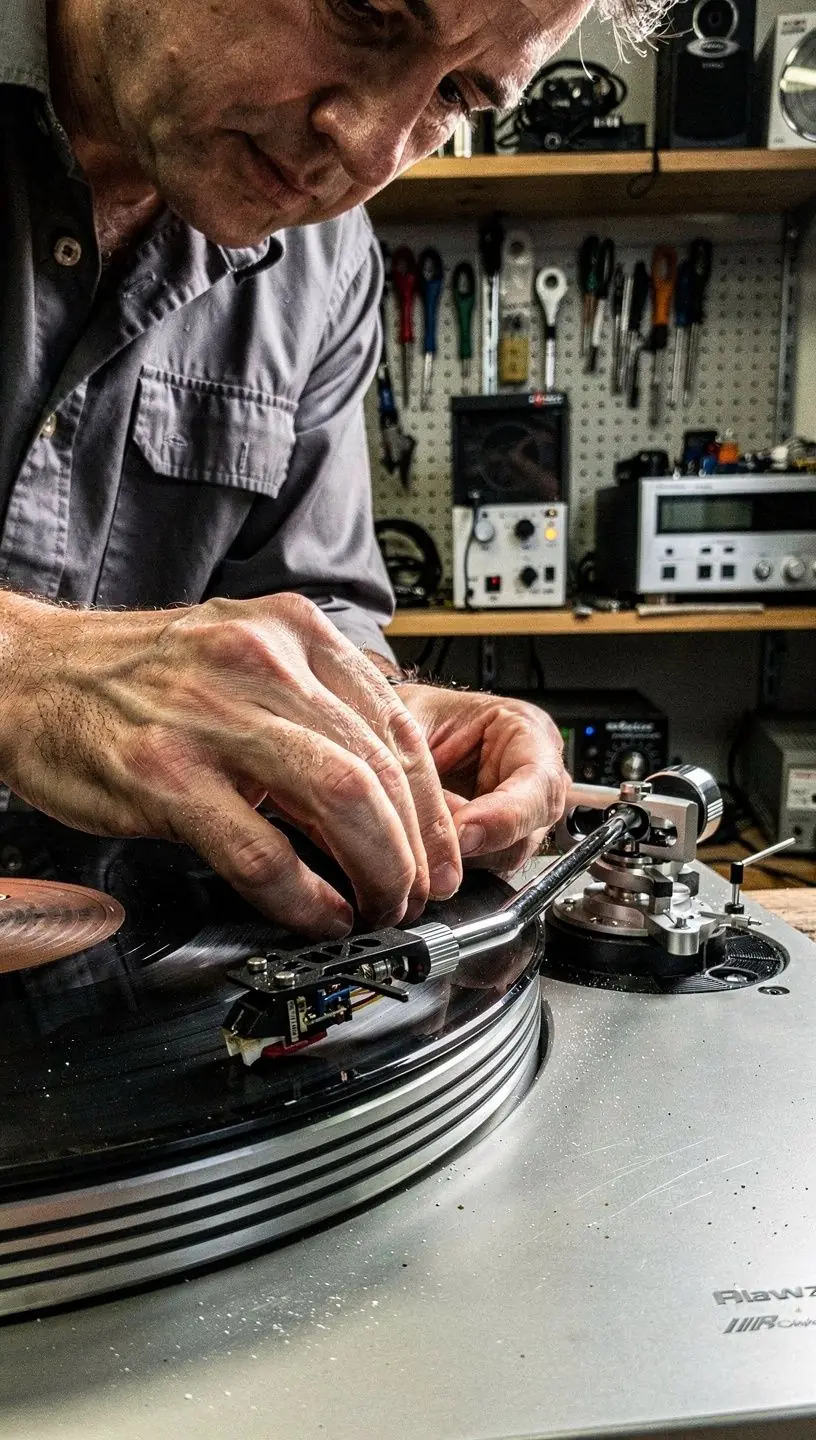
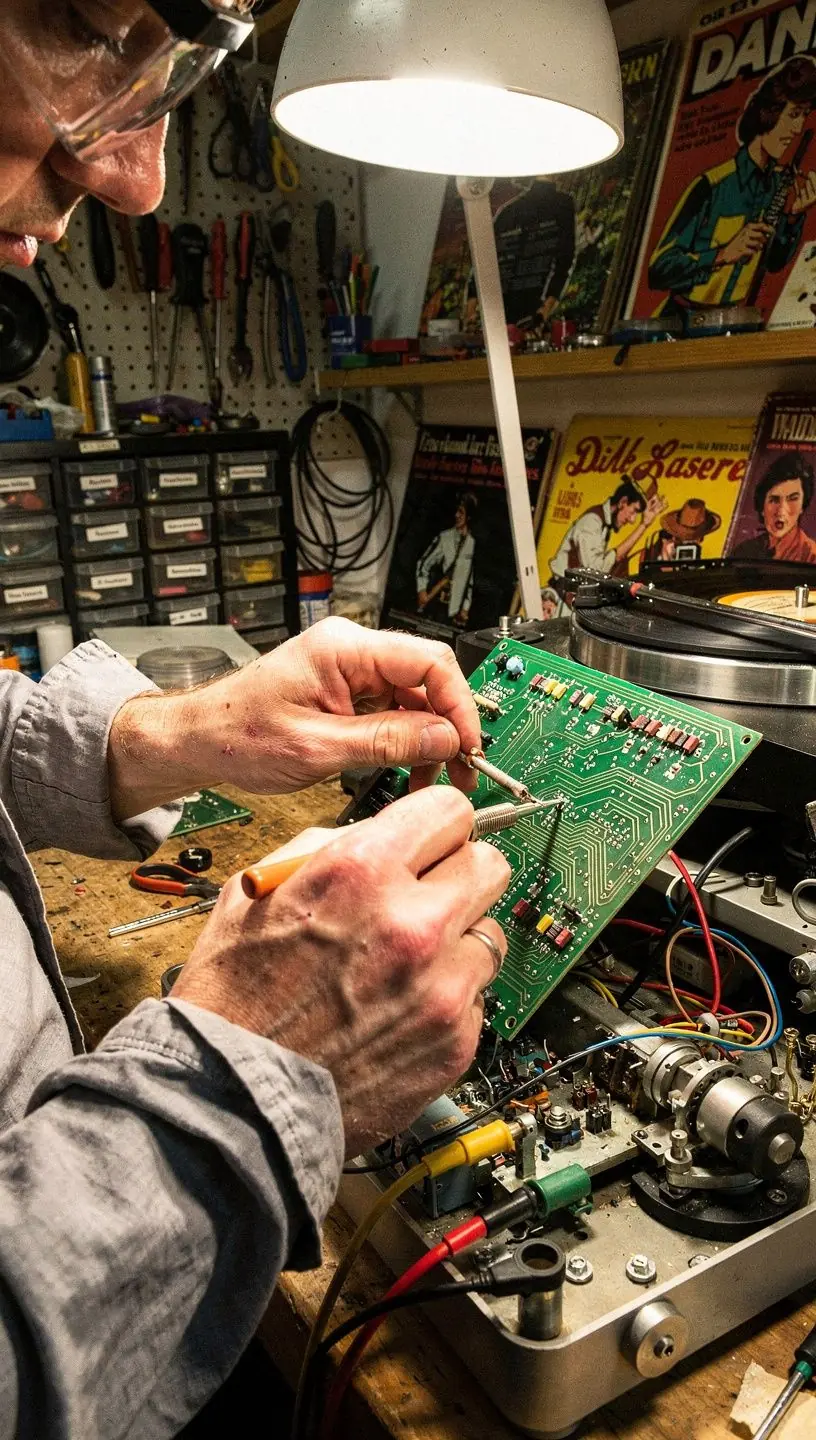
Additionally, vintage turntables often require restoration and calibration to perform optimally. This work typically takes 2-4 weeks and involves careful evaluation of the mechanical components, which can lead to significant improvements in sound quality.
Conclusion
In summary, the history of vinyl turntable design is rich with innovation and technical advancements. Understanding this evolution not only enhances your appreciation of vinyl music but also equips you with knowledge that can improve your own listening experience. Whether you are considering a new purchase or restoring a vintage model, knowing the mechanics and their historical context can guide your decisions effectively. Remember, investing in a turntable is not just about sound quality; it’s about the journey through the history of music technology.